NERV
A custom-built digital commerce experience for a specialty coffee brand, designed and developed from the ground up. Moving from concept design and layout wireframing to full backend architecture, Nerv features a seamless customer ordering workflow, an interactive product catalog, and a tactile, soft-brutalist visual identity.
Request to View Repo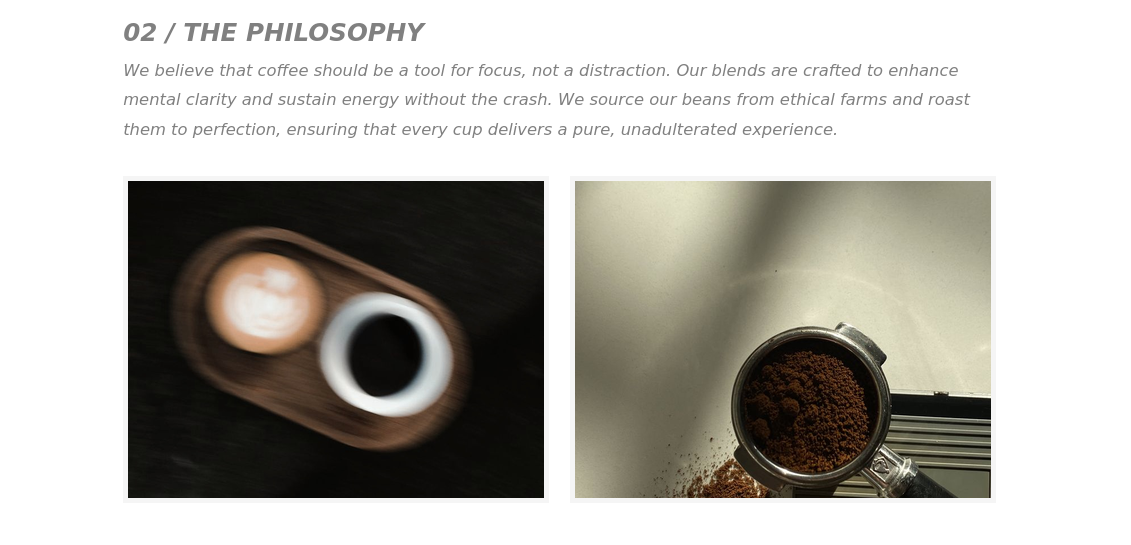
The Problem
The client needed a coffee brand with a digital storefront that would attract customers and convert them into buyers. The challenge was to design a brand identity and develop an e-commerce site that work together to drive traffic and sales.
The Approach
Research
I spent the first few days studying e-commerce coffee websites: their system architecture, how they drive sales, and how their brand architecture supports that. I also looked at how different coffee brands tell their visual stories, in order to identify recurring patterns.
Mockups and Prototyping
I started experimenting with image generation to close the design gap and to explore ideas that couldn’t be templated. I then moved from moodboards to wireframes to better understand user flow and interactivity.
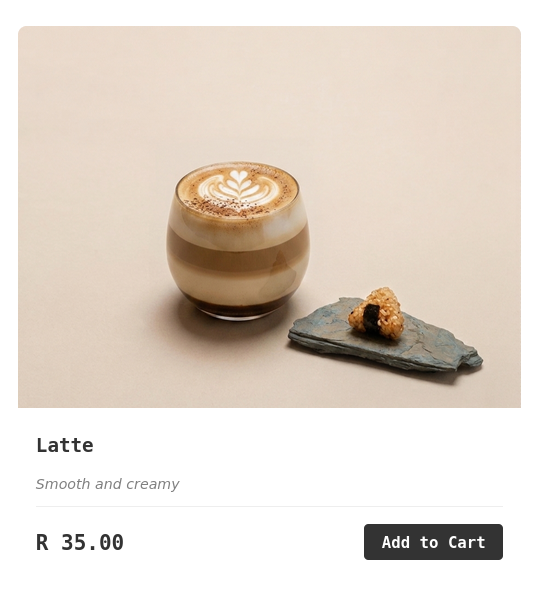
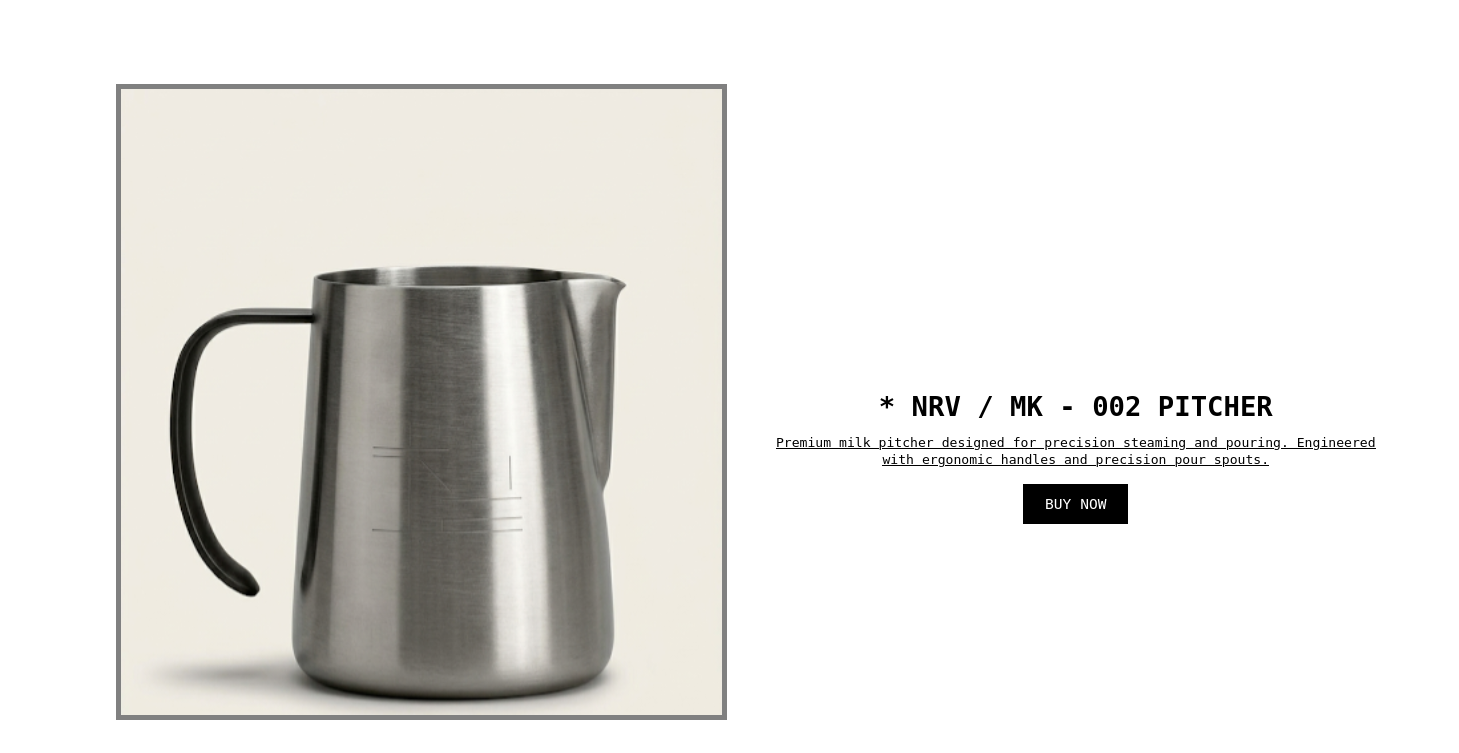
Next, I created small mockups and building blocks, including reusable components such as the product card. This established a coding pattern and avoids repeating code over the long run.
Selection
I selected the final assets and tech stack, then created a shared visual language for the site. This strengthened brand clarity and made the pages feel cohesive. I built the final mockup in code.
Takeaways
- An online coffee store is an architecture problem as much as a design problem. Studying other shops showed me how product pages, navigation, and checkout guide visitors from browsing to buying. That shaped how I designed every page.
- Moving from moodboards to wireframes and mockups showed me that consistency is a business decision, not just an aesthetic one. A shared visual language strengthens the brand and makes the site feel cohesive.
- Building reusable components, like the product card, taught me to think in systems. Reusing them keeps the code maintainable and makes it easier to grow the product range.