MYREG
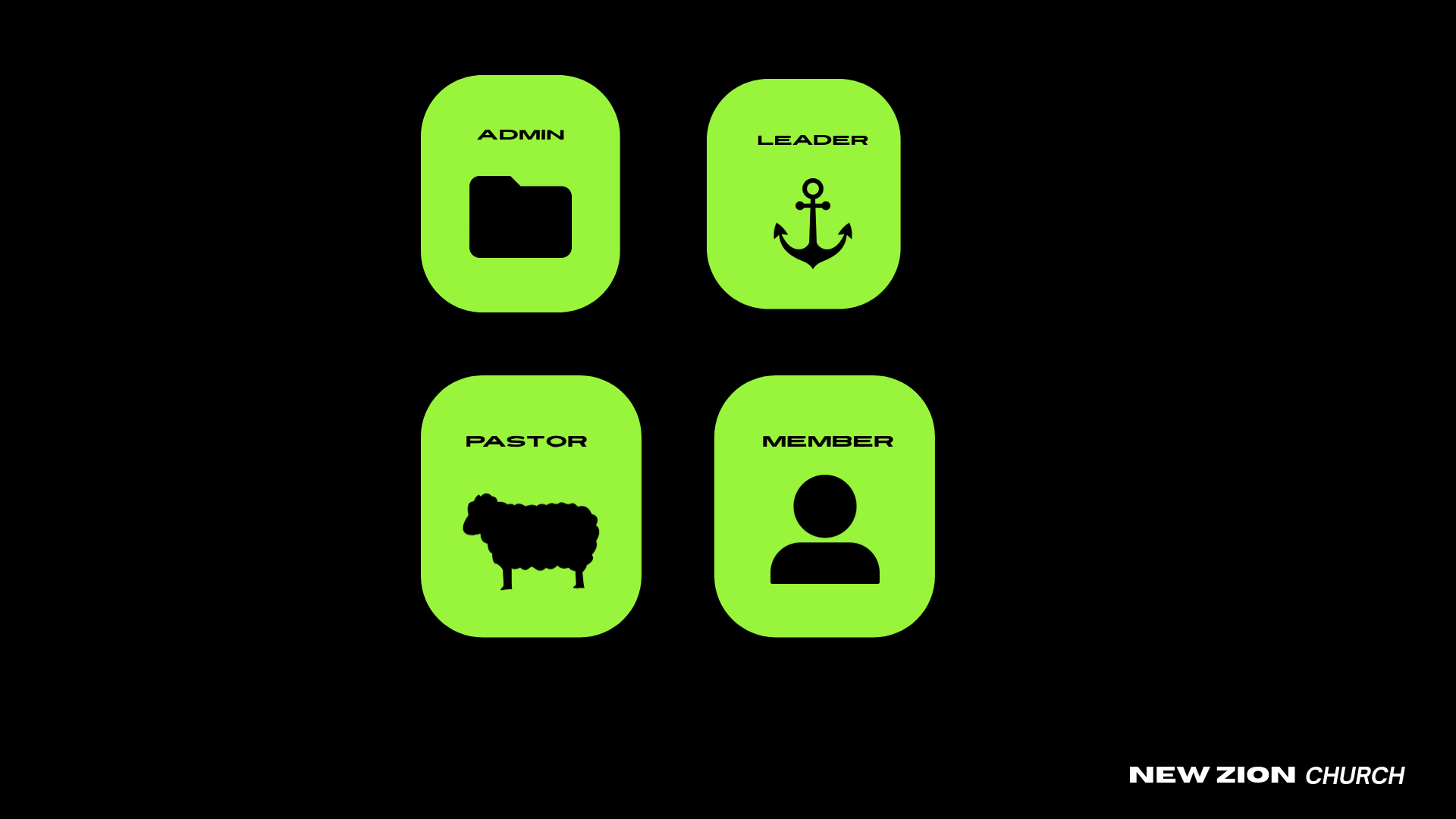
A full-stack application built to streamline administrative workflows, manage midweek small groups, and track congregational attendance metrics. The system uses a robust Role-Based Access Control (RBAC) architecture to provide tailored experiences for Administrators, Small Group Leaders, and Pastors.
Request to View Repo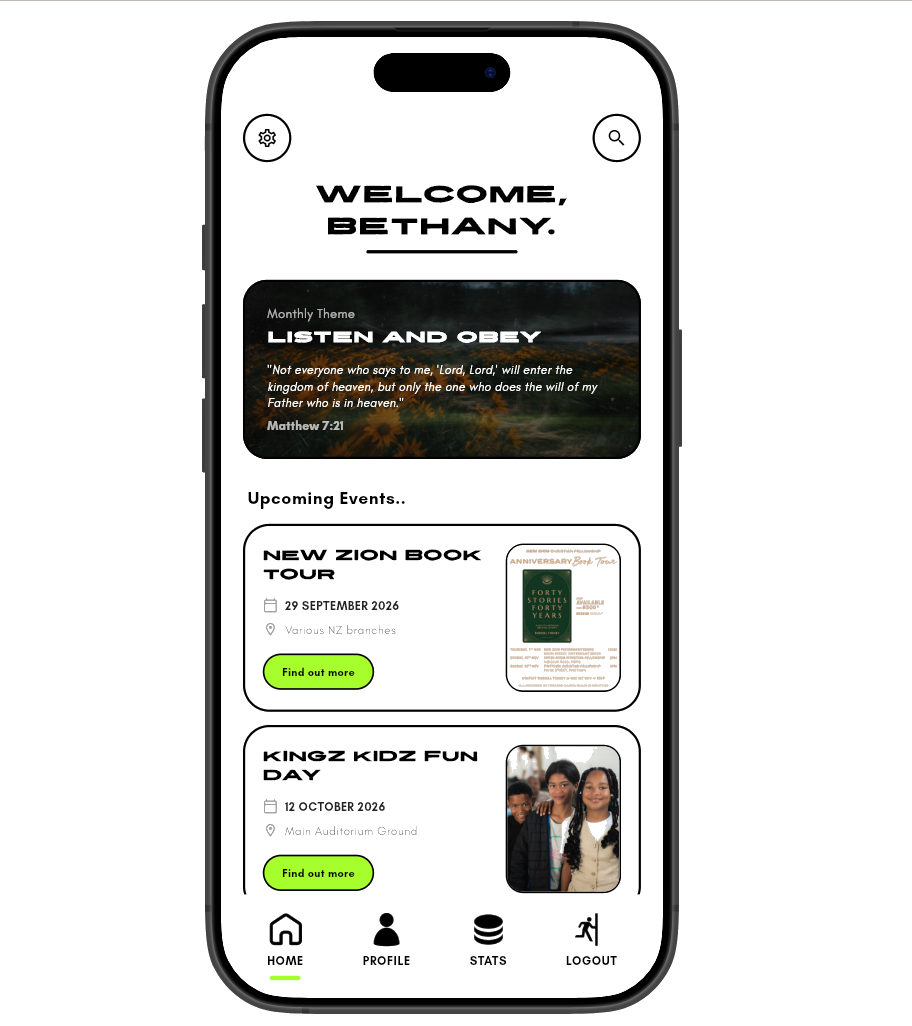
The Problem
Visitors came through our doors every Sunday, but there was no reliable way to record who they were, who was looking after them, or what their next step should be. Follow-up depended on memory and paper, so people who had been welcomed slipped through the cracks, and some never came back.
Over time that showed up in the church itself: we were losing people we had already reached, and we weren’t as effective at growing as we wanted to be.
The goal was a system that would make visitor follow-up and small group care trackable, so that no one was lost between the first visit and their next steps.
The Approach
Research
Before designing anything, I looked at how the church actually operates: the people we serve, how leaders are structured, and where responsibilities overlap. That research produced the core requirement.
The system had to give different people different views of the same data. Administrators manage attendance and the directory, small group leaders track their own groups, and pastors look at the bigger picture. That made role-based access control the foundation, not an add-on.
Design
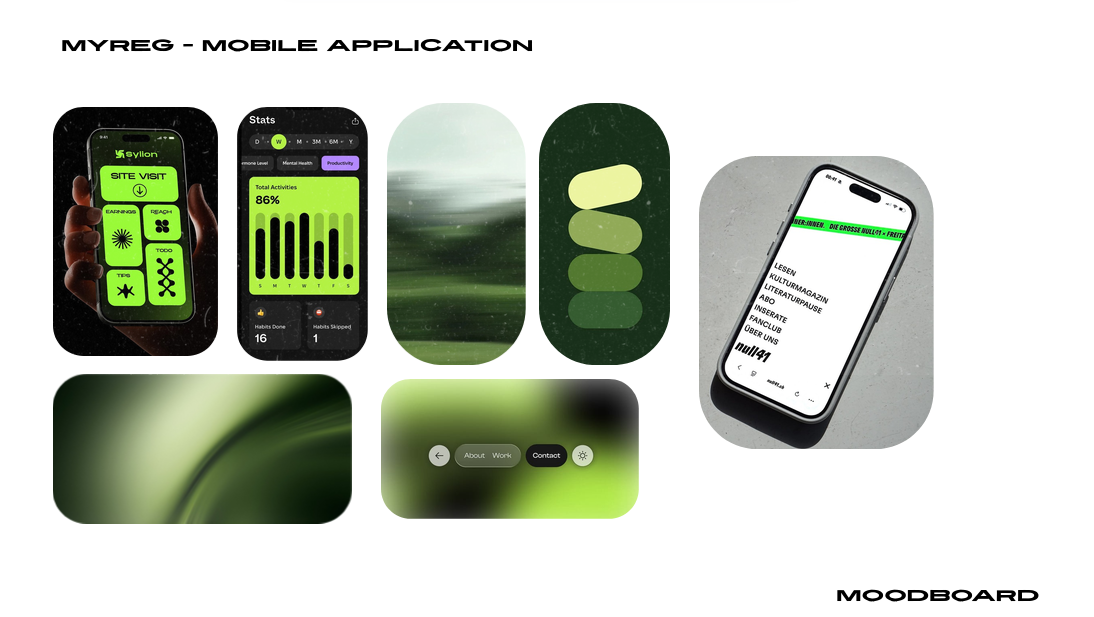
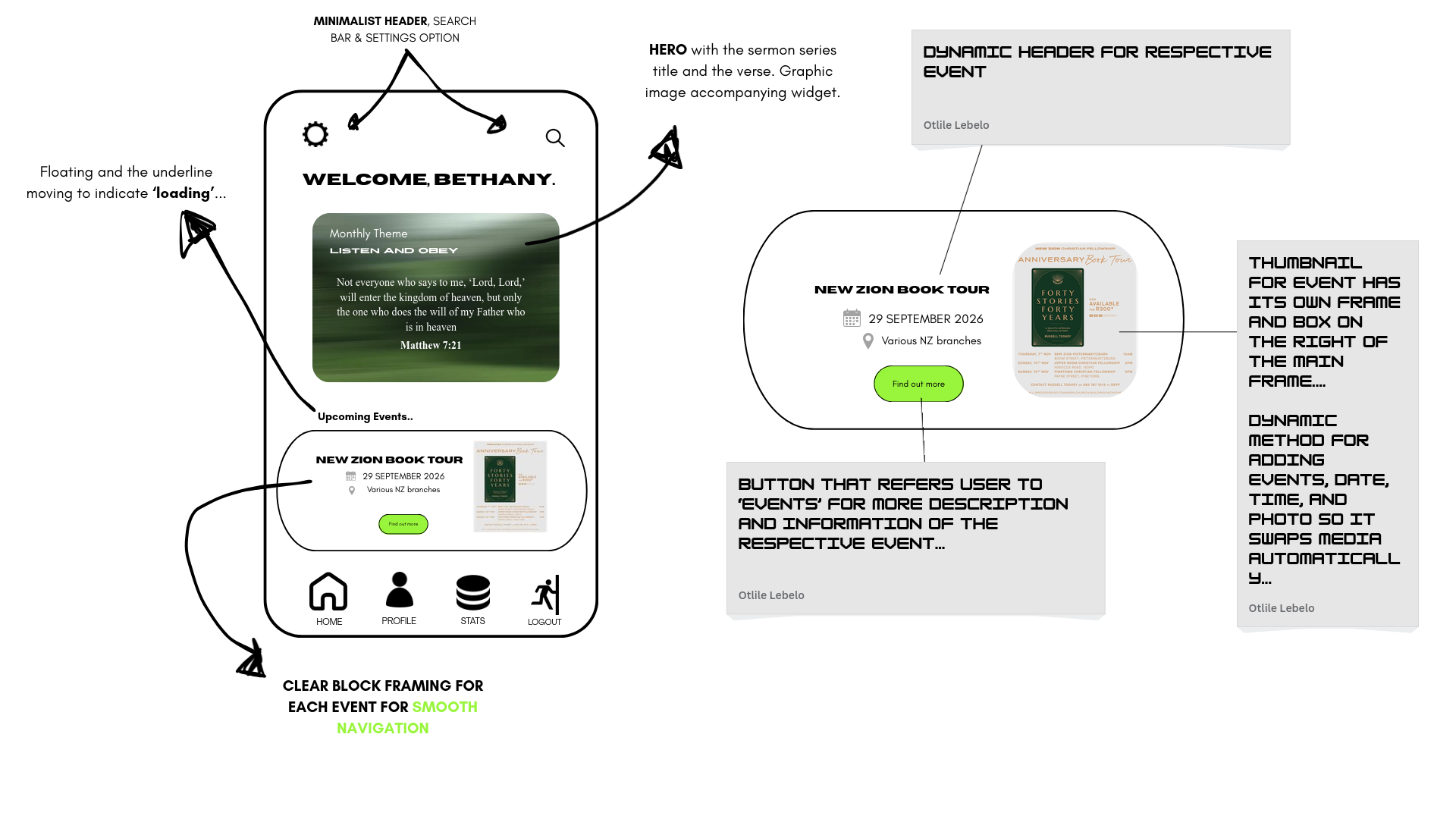
I started with a moodboard to settle the tone, and the direction pointed toward a stark, brutalist aesthetic: bold blocks, strong contrast, and nothing decorative for its own sake. From there I moved to wireframes, sketching small, self-contained features as compact rectangular compositions, and then translated those blocks into Flutter.
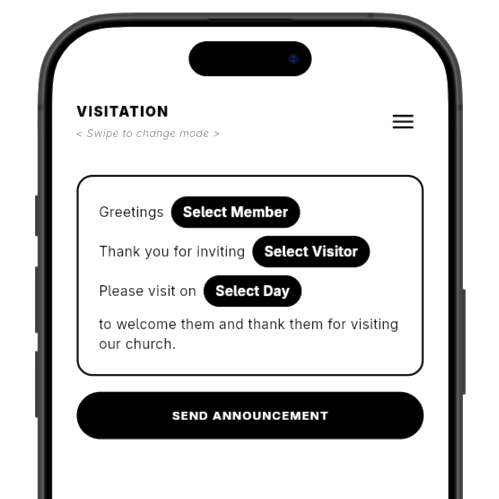
Tactile interactions like hover scales and press-sinking buttons were added so the interface responds to the user.
Architecture and Build
The data layer is a normalized MySQL schema with strict foreign key constraints, covering people, visitors, leaders, pastors, cell groups, and attendance logs for both midweek groups and Sunday services. The backend is Java with Spring Boot, accessing data through DAOs. The frontend is Flutter/Dart.
Every pull request runs through a GitHub Actions pipeline that lints the frontend and builds the backend with Maven. The project took about 10 to 12 weeks, moving through the schema, the backend, the frontend, and then roles and automation.
Scope
The admin portal works end to end, and the base role structure that the other roles build on is in place. The leader, pastor, and member experiences are being built one role at a time.
Takeaways
- Planning the data before the interface paid off. Designing the schema first made the relationships between people, groups, and attendance clear, and the Java and Flutter layers followed from that.
- Scope is the biggest lesson. I tried to solve every problem I could see in church life, and that pulled the project in too many directions. A focused application with clear, well-defined roles is worth more than an ambitious one that tries to do everything. Next time I’d return to the user story more often and say no to features that don’t serve it.
- Planning for process from the start matters. The tight deadline left no room for a formal Agile framework, and the timeline ran longer than planned. Scoping each role as its own milestone would have kept the project’s status clear.